Library Records Font for Editorial Design and Content Creation
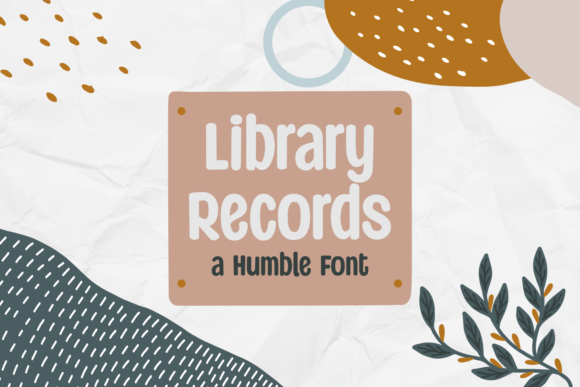
When it comes to editorial design, the right font can elevate a publication from good to exceptional. Library Records, a display font with a playful yet authentic character, offers a unique opportunity to infuse personality into your content. Whether you're designing a magazine cover, crafting an ebook title, or creating engaging social media graphics, this font brings a sense of approachability and charm that resonates with readers.
Library Records is a typeface that balances whimsy with clarity. Its clean lines and subtle curves give it a friendly appearance without sacrificing readability. This makes it especially well-suited for projects targeting younger audiences, educational materials, or creative endeavors where a warm tone is essential.
Applying Library Records in Editorial Layouts
The versatility of Library Records shines through in its ability to serve as a headline font across various formats. For instance, on a lifestyle blog, using Library Records for section headings can create visual interest while maintaining a cohesive look throughout the article. Similarly, in a recipe ebook, it could be used for chapter titles, adding a touch of fun and curiosity that encourages readers to explore further.
For magazine covers, Library Records can act as a focal point. Its distinctive style draws attention and sets the tone for the issue's theme. Pairing it with a complementary serif font for body text ensures that the layout remains both engaging and easy to read.
In digital newsletters, Library Records works well for call-out boxes and quote graphics. Its legibility on screens means that even smaller text sizes remain clear, making it ideal for mobile-friendly designs.
Designing with Visual Hierarchy and Reader Engagement
One of the key aspects of effective editorial design is establishing a strong visual hierarchy. Library Records supports this by offering a bold presence that naturally commands attention. When used for main headlines or feature titles, it helps guide the reader's eye through the content in a logical flow.
Its character also contributes to mood and consistency. A children’s activity book, for example, benefits from the font's playful nature, reinforcing the content's intended audience. Meanwhile, a coaching workbook might use Library Records for chapter openers, giving each section a fresh start that aligns with the overall brand identity.
For print publications, ensuring that Library Records maintains its clarity is crucial. Testing it in different sizes and weights can help determine how best to integrate it into layouts without compromising readability. This is especially important for longer texts, where the font should not distract from the message being conveyed.
Font Pairing and Brand Identity
While Library Records excels as a display font, pairing it with a more traditional serif or sans serif font can enhance the overall design. For instance, combining it with a clean sans serif like Helvetica for captions and navigation creates a balanced aesthetic that feels both modern and professional.
When building a brand identity, the choice of typography plays a significant role. Library Records can become a signature element in your publication's visual language, helping to establish recognition and trust with your audience. Its consistent use across all design assets—whether in web design, packaging design, or social media graphics—ensures a unified look that reinforces your brand's voice.
Practical Considerations for Use
Before integrating Library Records into your project, it's important to review the available styles and alternates. Checking for ligatures and multilingual support can ensure that it meets the specific needs of your publication. Additionally, considering commercial licensing is essential if you plan to use it in paid products, client work, or digital downloads.
For those working with printable materials, testing the font in PDF exports and print layouts is advisable. Ensuring that it renders clearly across different mediums will help maintain the quality of your final output.
Whether you're creating a digital magazine, a printable planner, or a course workbook, Library Records provides a unique opportunity to blend creativity with functionality. Its thoughtful design allows it to adapt to a wide range of editorial uses while maintaining a distinct personality that enhances reader engagement.